Designed by Young Soul
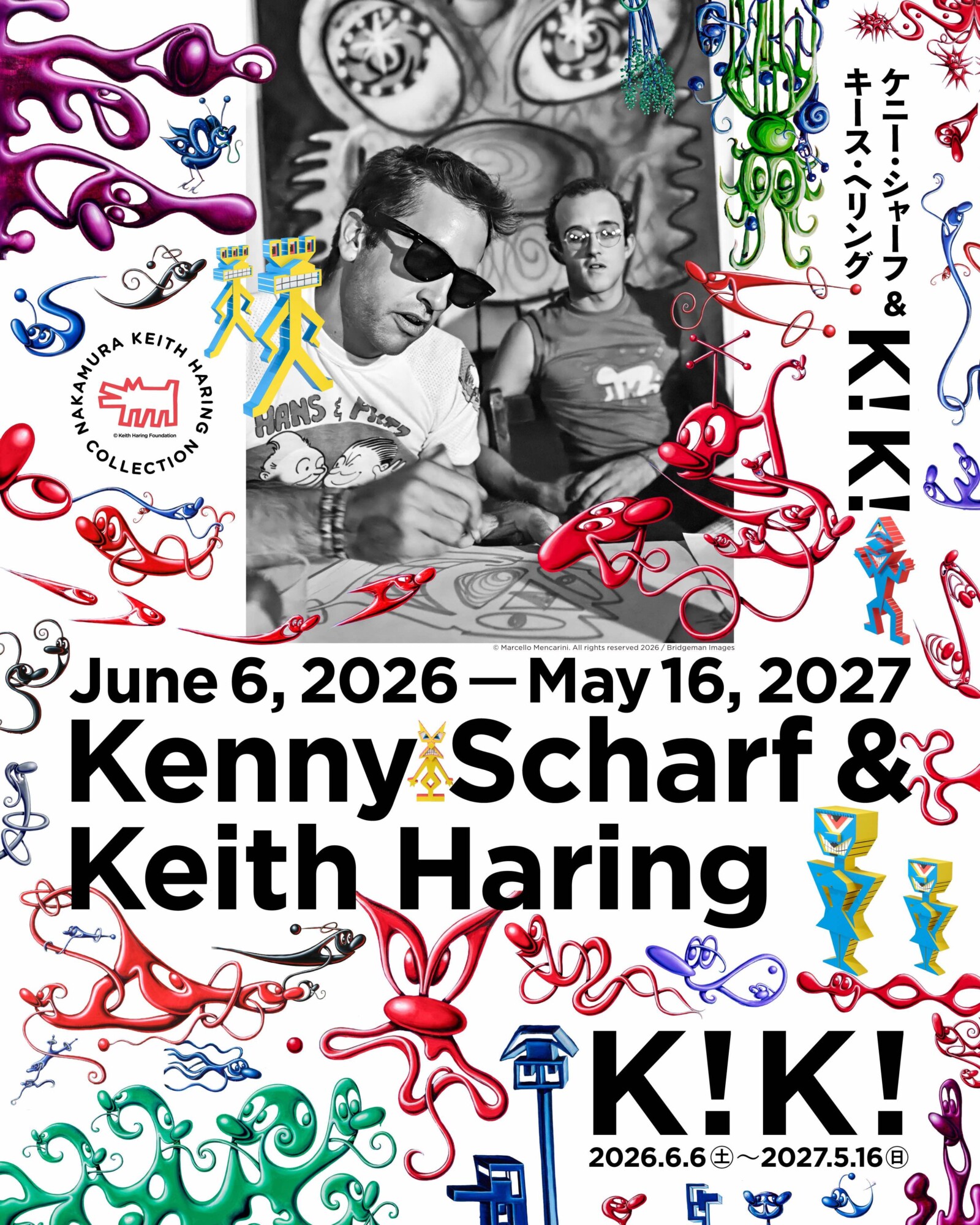
Kenny Scharf & Keith Haring: K! K!
*Open on August 12 and December 30, 2026.
Calendar
Supported by Yamanashi Prefecture, Yamanashi Prefectural Board of Education, Hokuto City, Hokuto City Board of Education
In cooperation with Kenny Scharf Studio, The Keith Haring Foundation, Nanzuka, Sogetsu Foundation
In 1980s New York, particularly in the East Village, art moved beyond museums and galleries and became embedded in the fabric of the city. Subways, walls, and streets served as sites of experimentation, where artists worked freely and the boundaries between commercial culture and the underground began to dissolve. At the center of this shift were Kenny Scharf (b. 1958) and Keith Haring (1958–1990).
Born in the same year, both artists moved to New York in 1978. After meeting at the School of Visual Arts, they formed a close bond, living and working in constant proximity. Within a downtown network of artists, performers, and musicians, their work took shape through shared spaces, daily exchange, and a culture of experimentation that pushed against the limits of what art could be.
Centered on the relationship between Scharf and Haring, this exhibition highlights their collaborative projects and the reciprocal influence between their practices while presenting a newly considered perspective on Haring. At the same time, through a range of paintings and sculptures, including new works created by Scharf specifically for this exhibition, it offers an immersive view into the visual world he has developed over nearly five decades.
WHAT’S IN THE SHOW
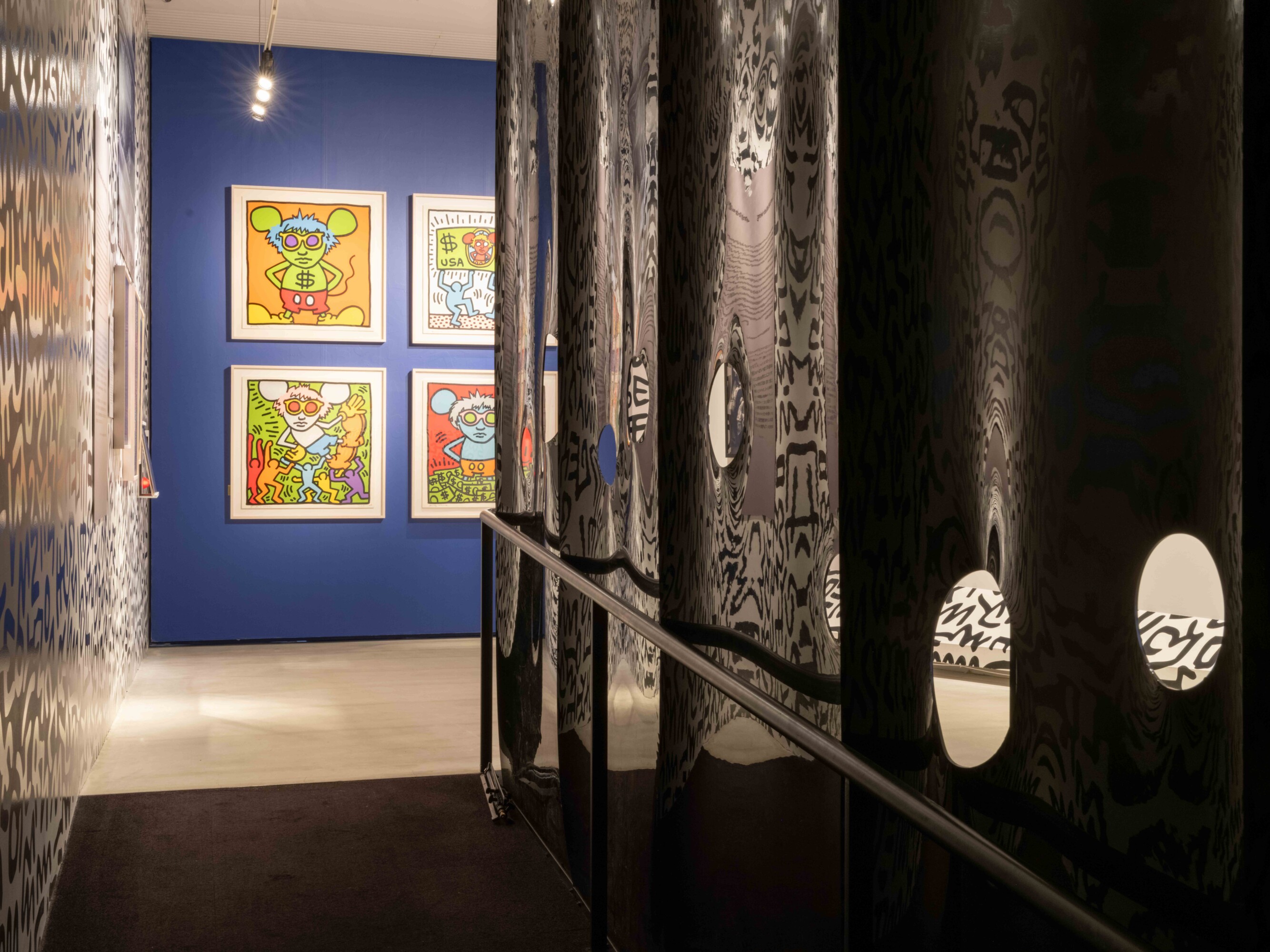
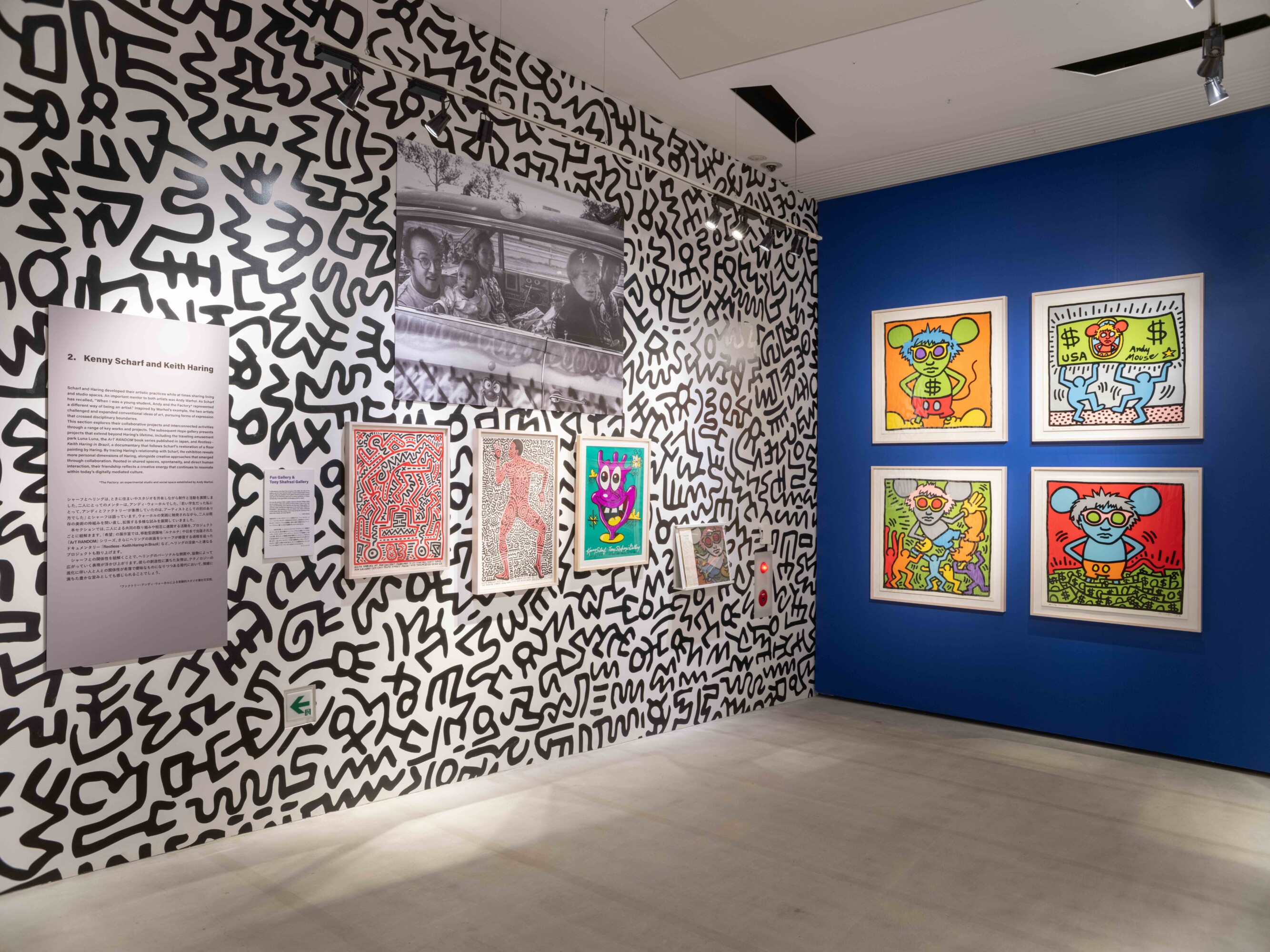
The exhibition moves through three sections. The first centers on Haring, placing early and late works from the museum’s collection in direct dialogue, tracing the philosophy that ran through his practice from the subway to the end of his life. The second brings Scharf and Haring together: paintings, sculptures, and collaborative projects that reveal how deeply each shaped the other. The third is Scharf’s — recent paintings and sculptures, including new work made for this exhibition, alongside one of his most celebrated installations.
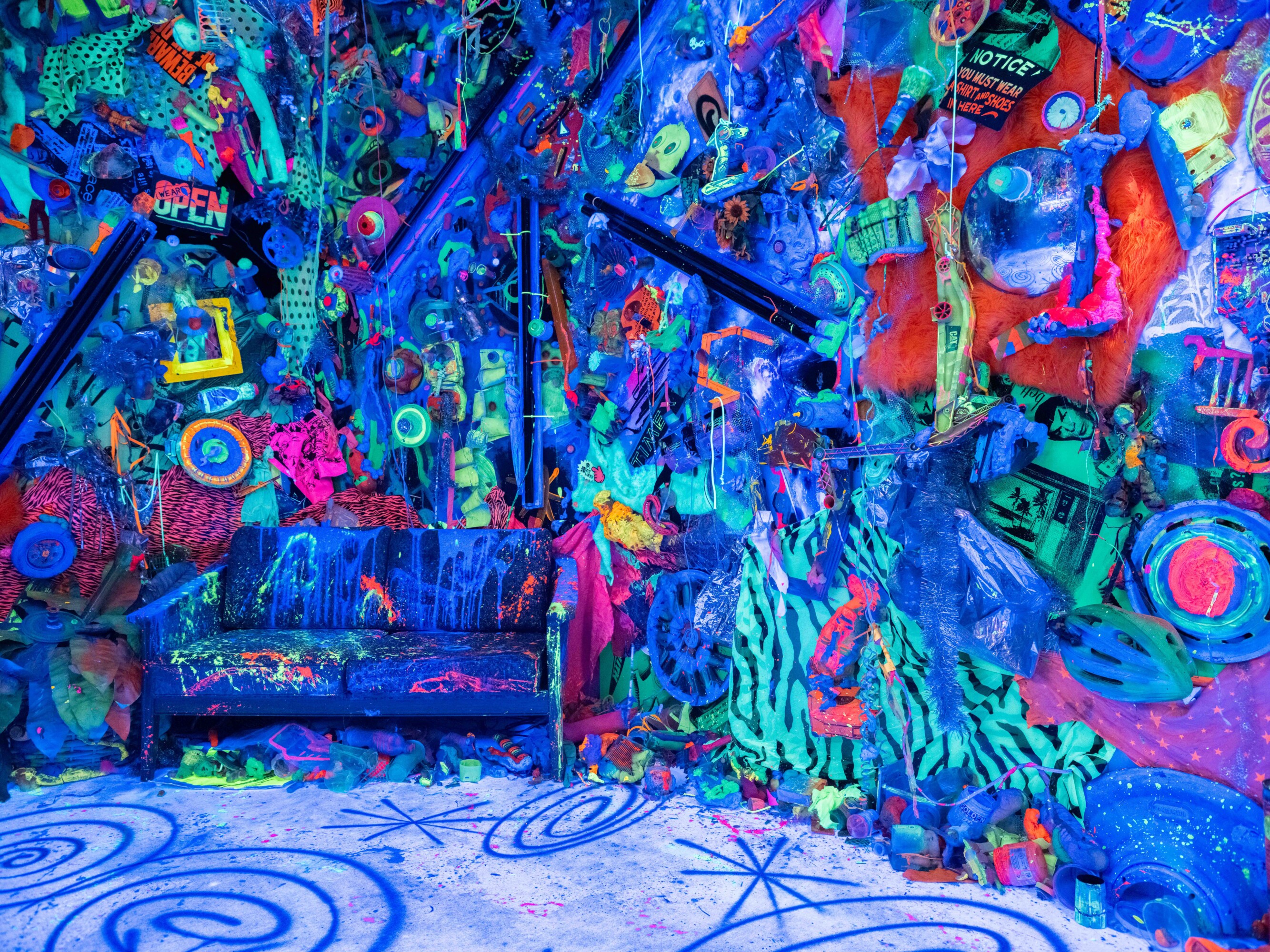
COSMIC CAVERN
Scharf’s Cosmic Cavern has been a living, evolving work since he first presented it in 1981 — the year he and Haring shared a studio. Objects fill every surface of a darkened room and blaze to life under black light: you don’t look at it so much as fall into it. Reconfigured especially for this exhibition, it remains one of the most iconic works in Scharf’s oeuvre.
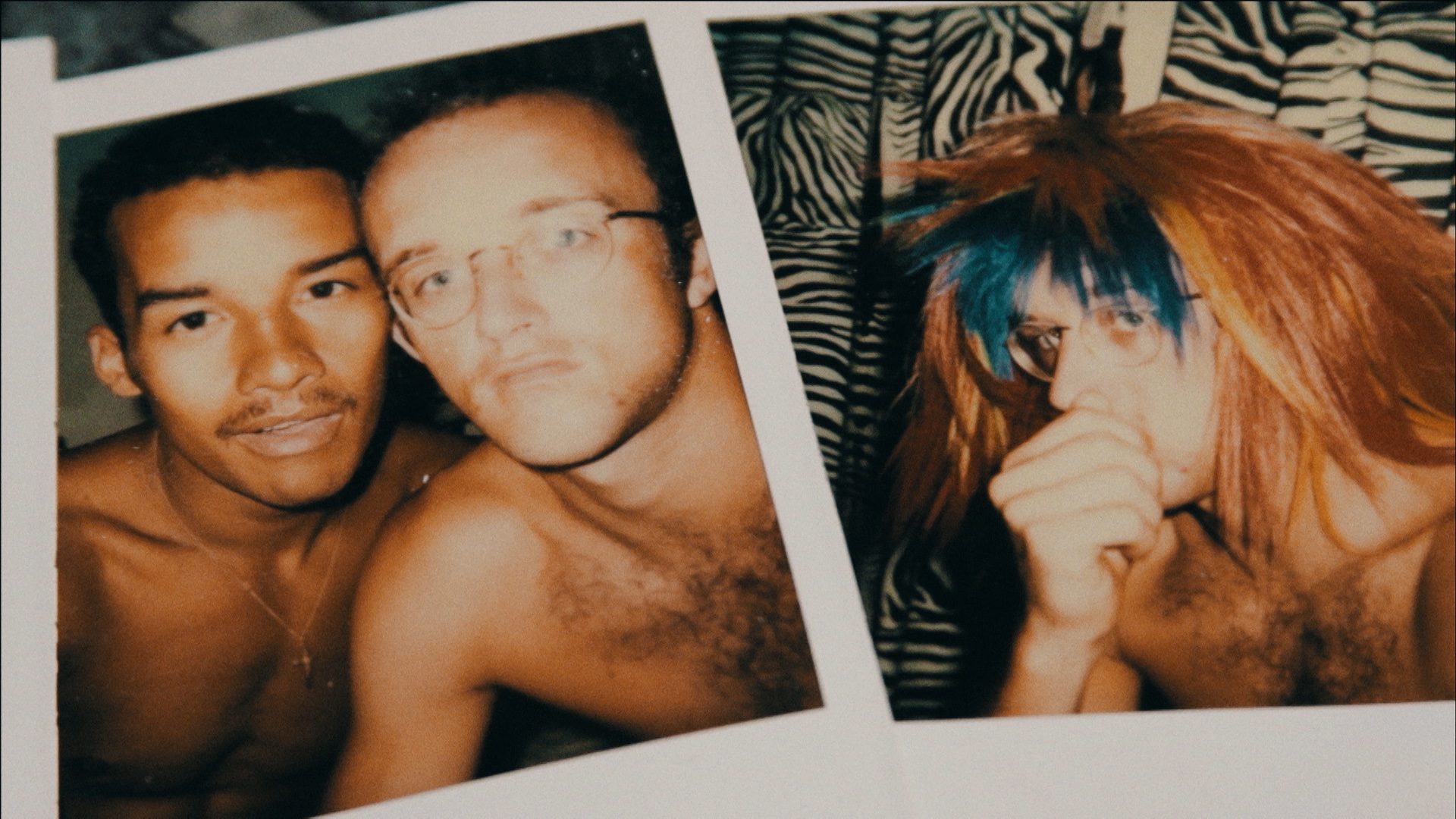
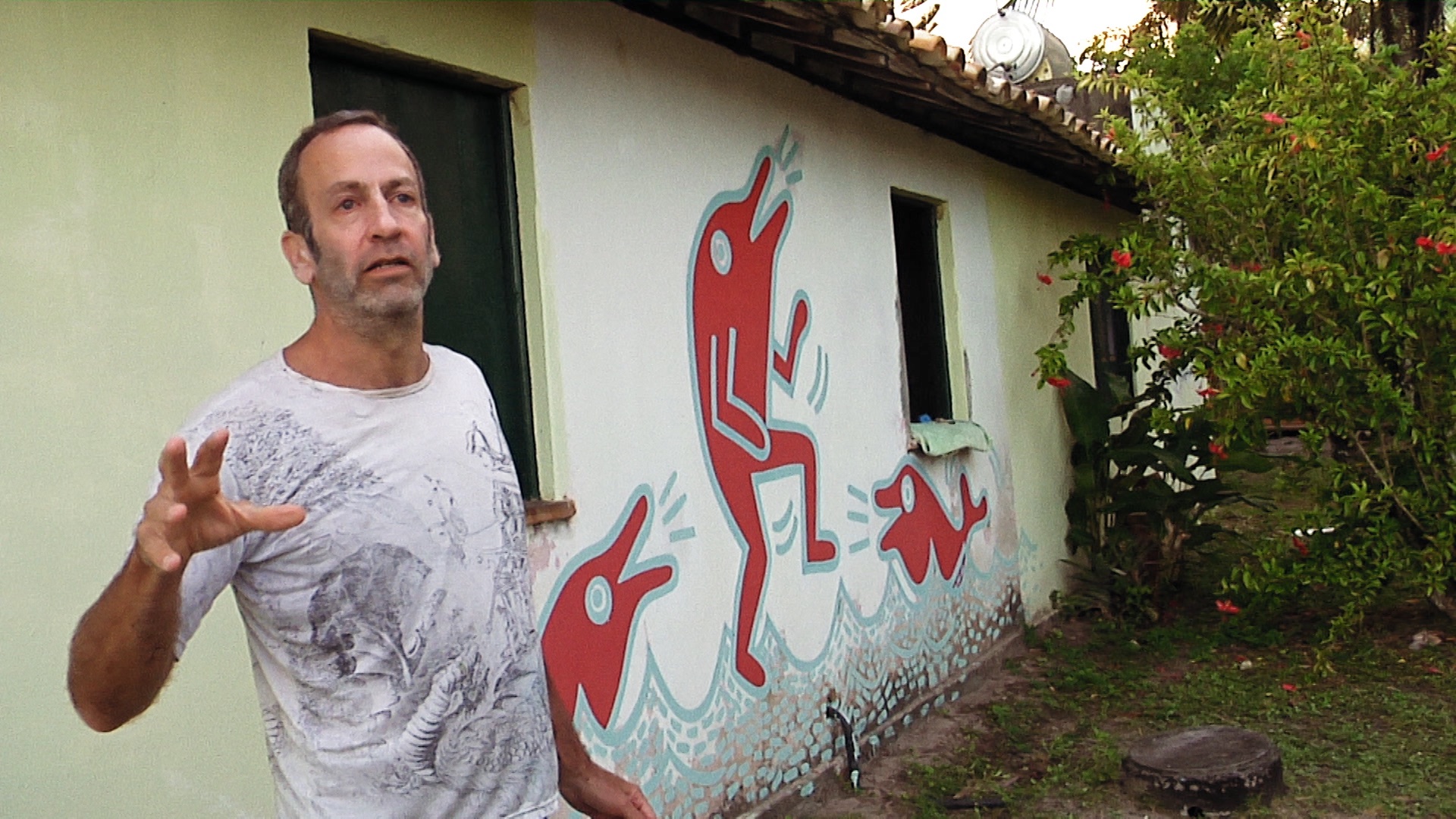
RESTLESS — KEITH HARING IN BRAZIL (Documentary Film, Japanese Premiere)
On view for the first time in Japan, Restless — Keith Haring in Brazil (2013) follows Haring’s deep and unexpected connection to a small fishing village in Bahia, where he made murals and floor works across several visits. It was Scharf who first brought him there, in 1984. Years later, Scharf returned to restore those works. The film captures an intimate side of both artists that the paintings alone cannot — and asks quietly what it means to keep faith with a friendship across time.
Running time: approx. 37 min. (looped continuously)
ARCHIVAL MATERIALS & COLLABORATIVE PROJECTS
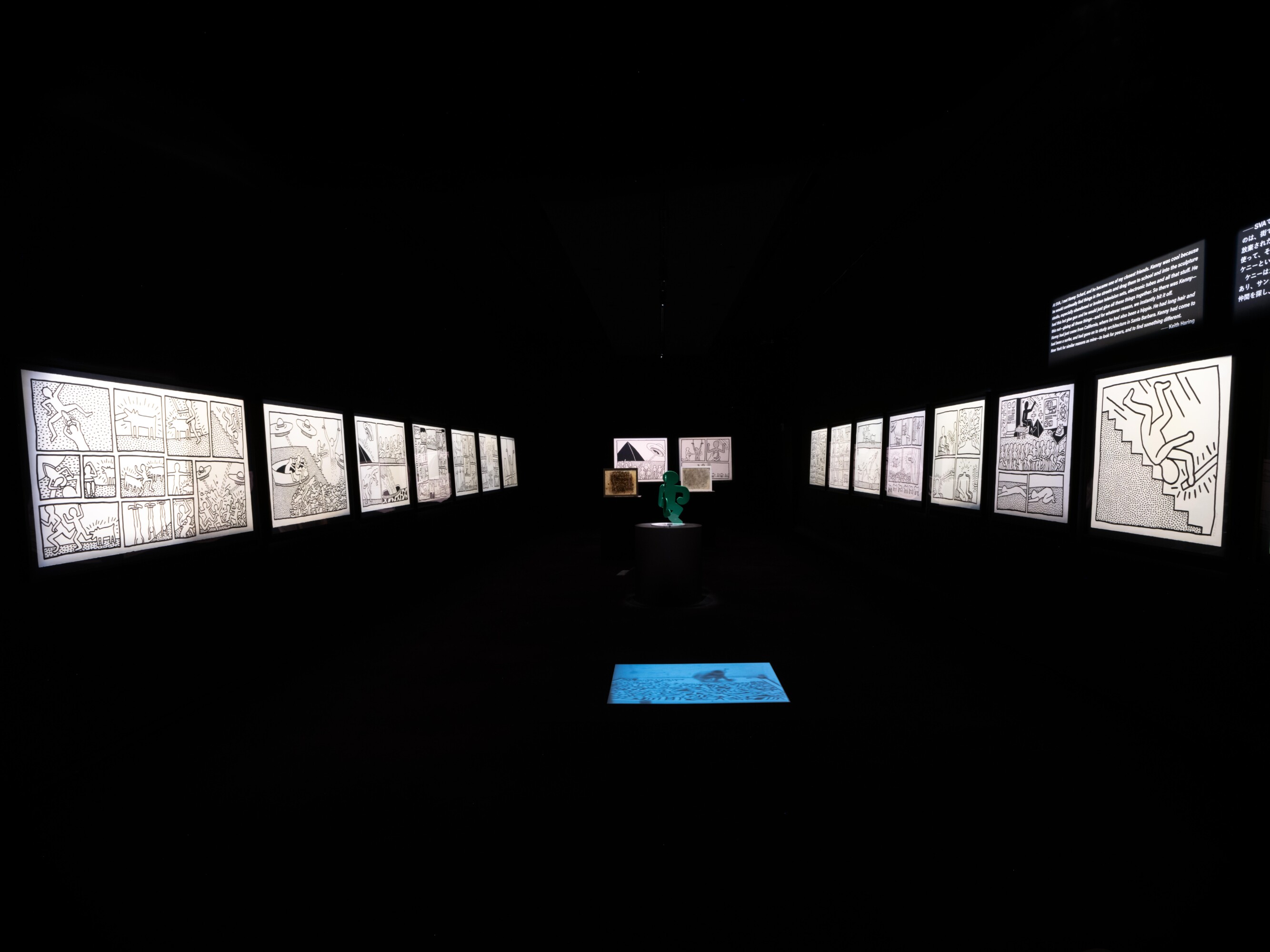
Drawing on Scharf’s personal archive and the museum’s unparalleled Haring collection, K! K! also presents photographs, original merchandise, and documentation of collaborative projects — much of it never before exhibited publicly.
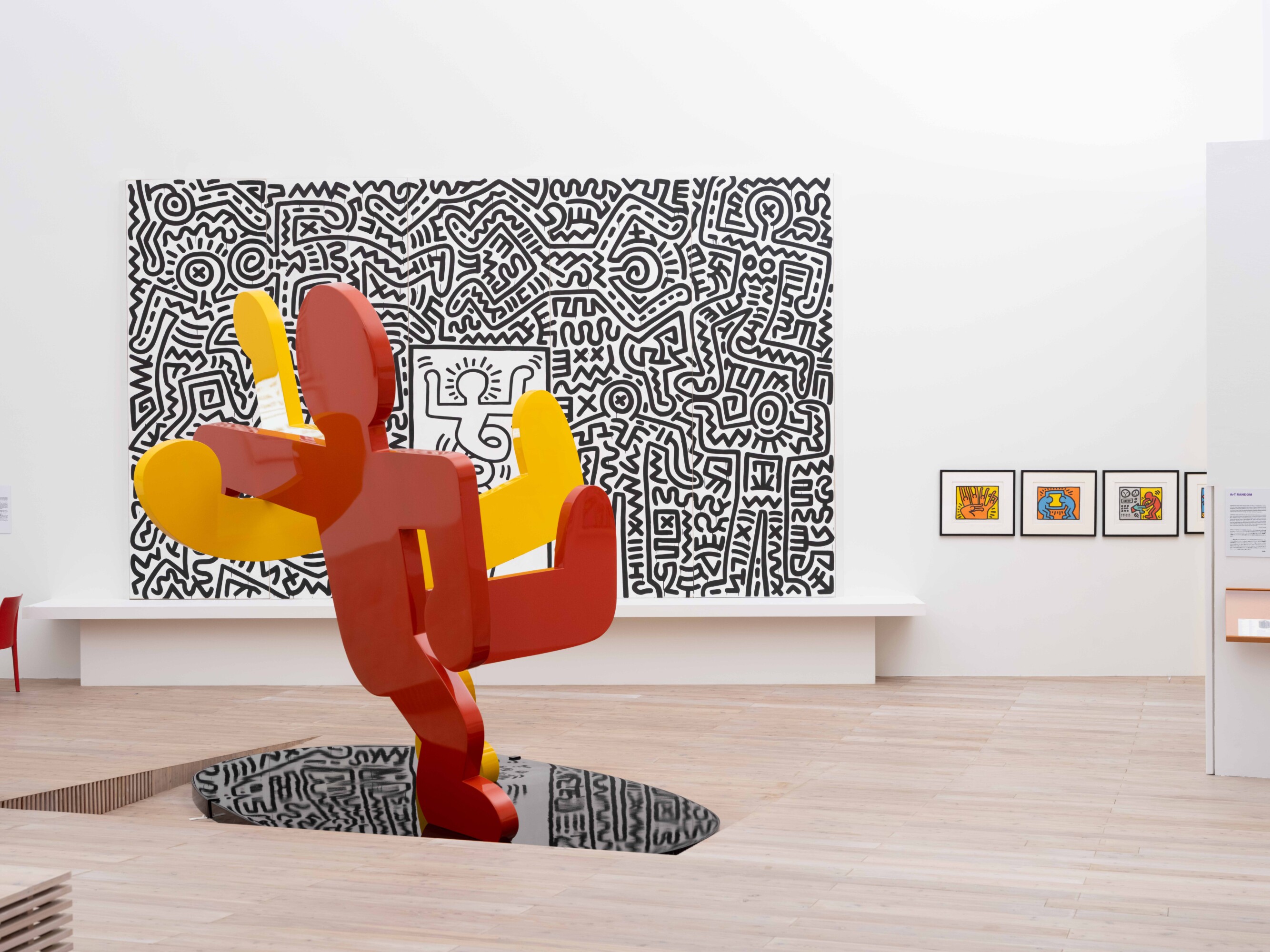
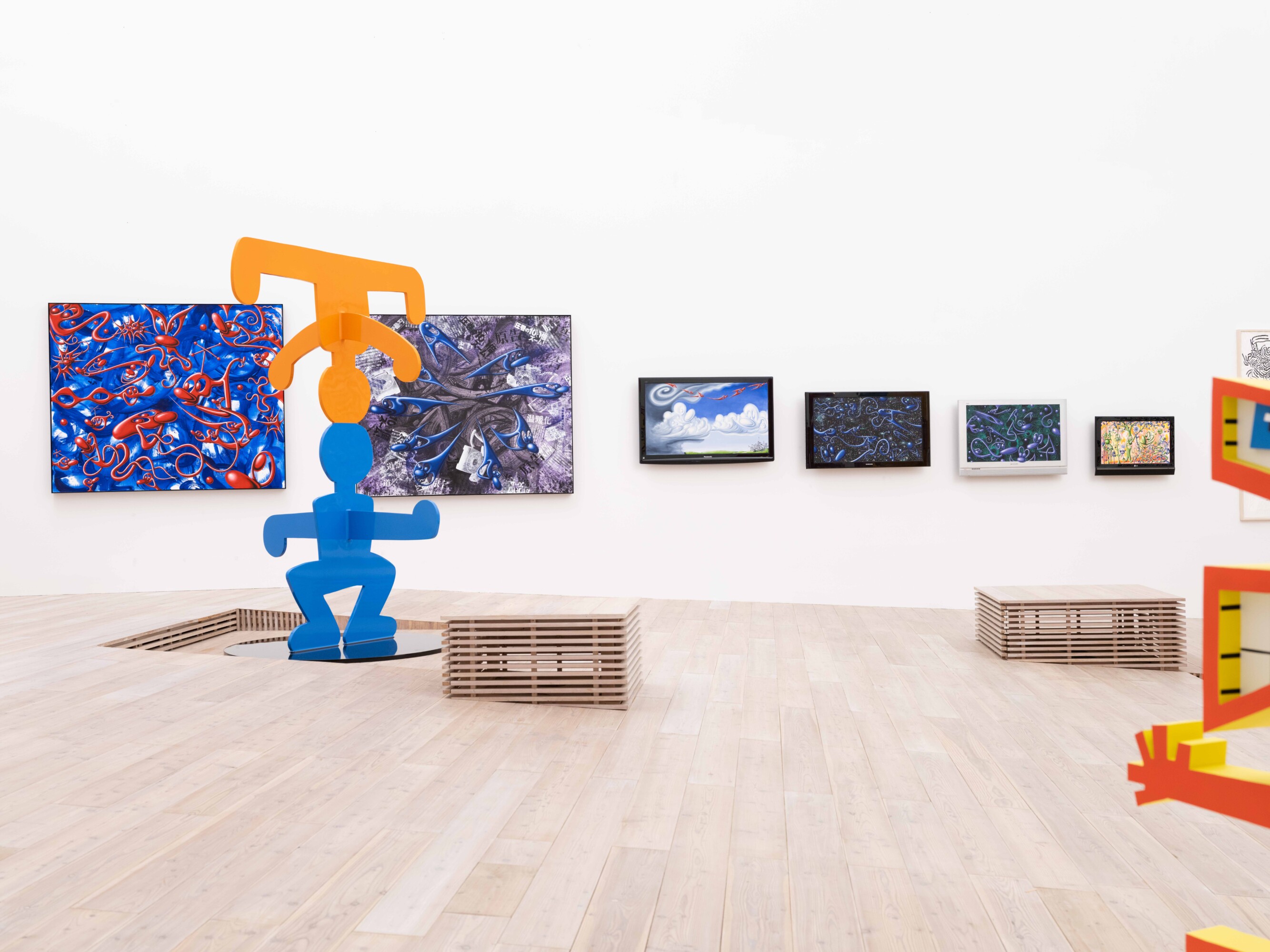
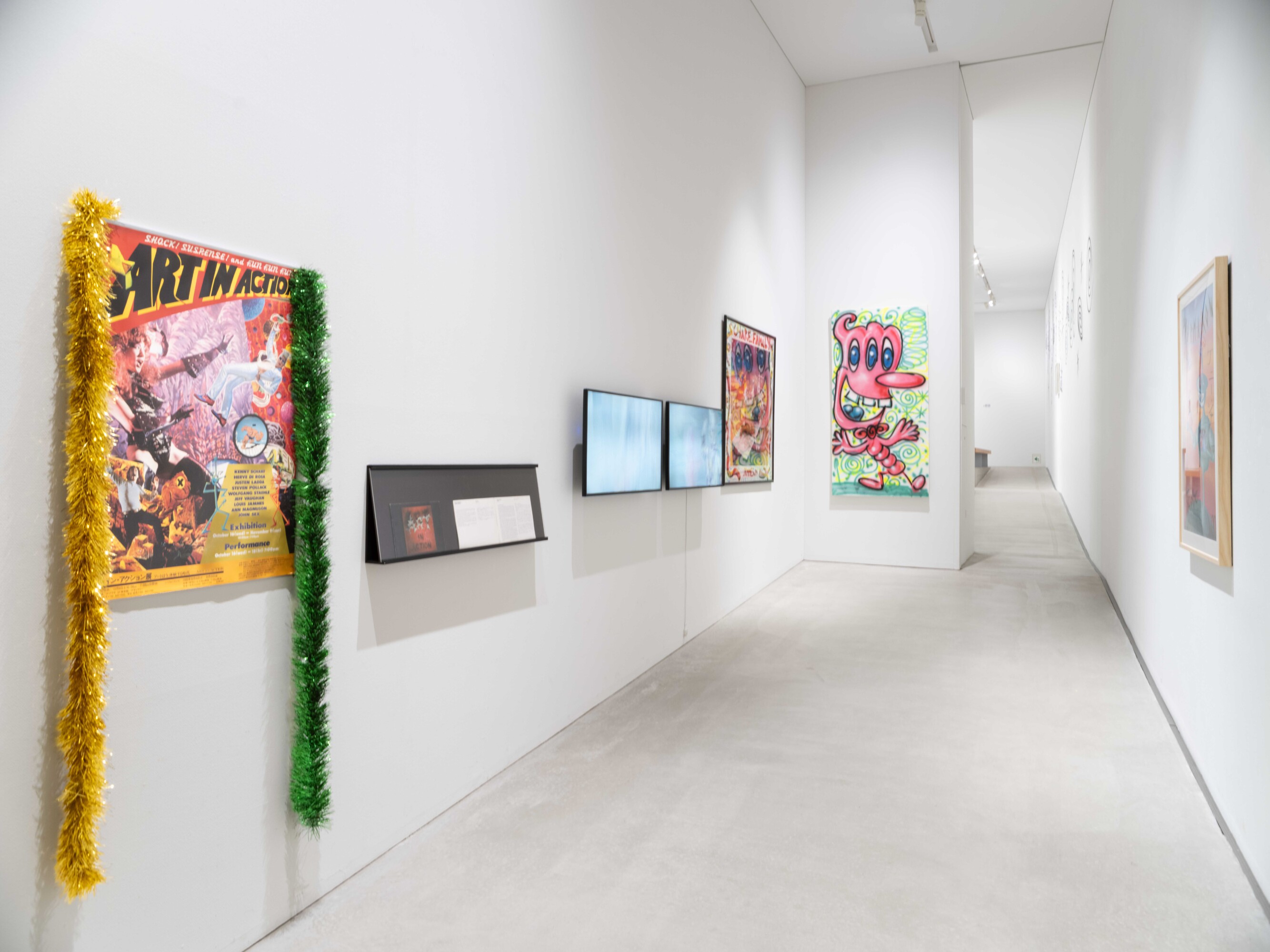
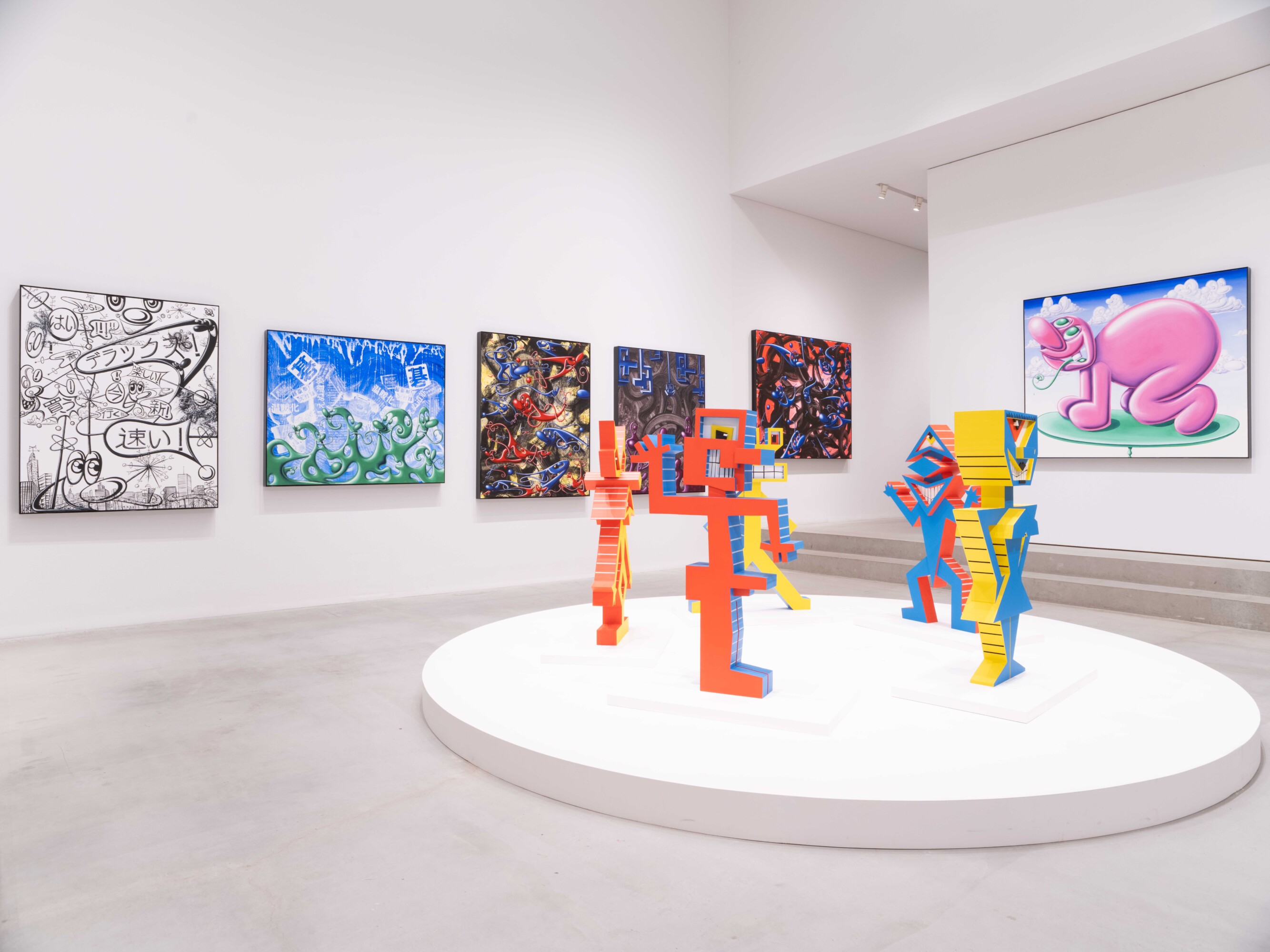
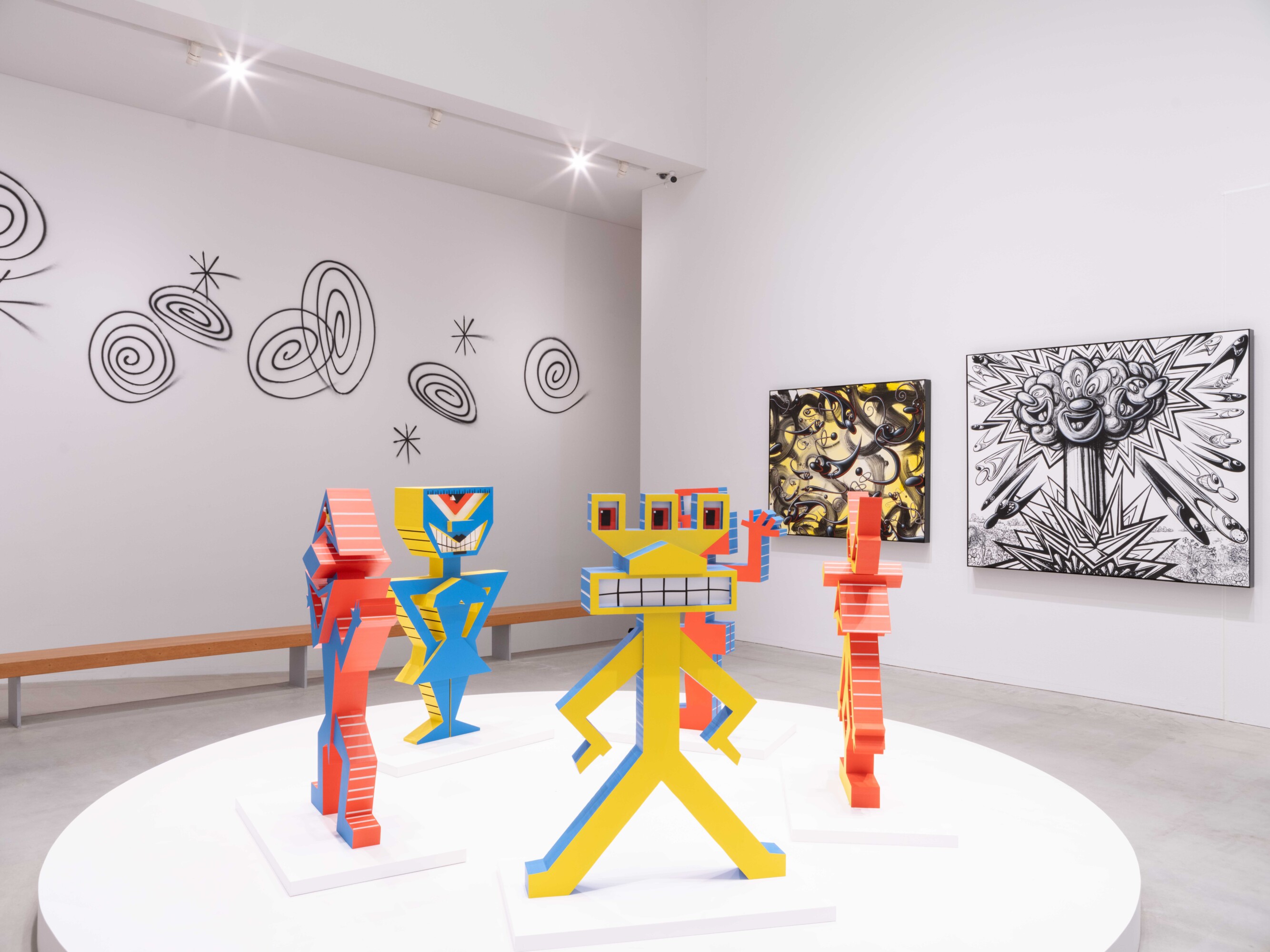
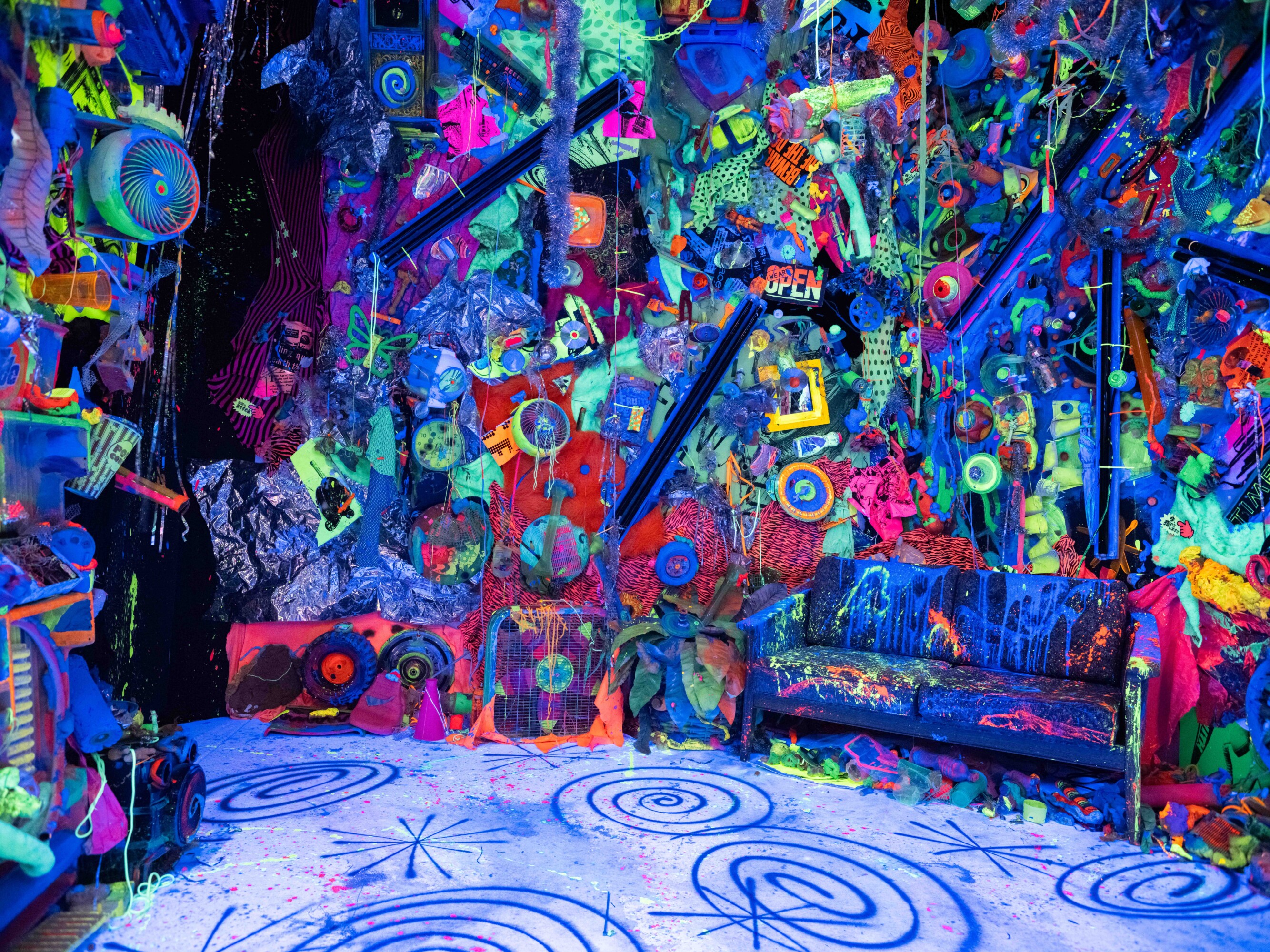
Courtesy of Sogetsu Foundation
All Keith Haring Artwork ©Keith Haring Foundation
Courtesy of Nakamura Keith Haring Collection.
All Kenny Scharf Artwork©Kenny Scharf
Courtesy of Nanzuka
Installation view photo ©Kohey Kanno
Artists
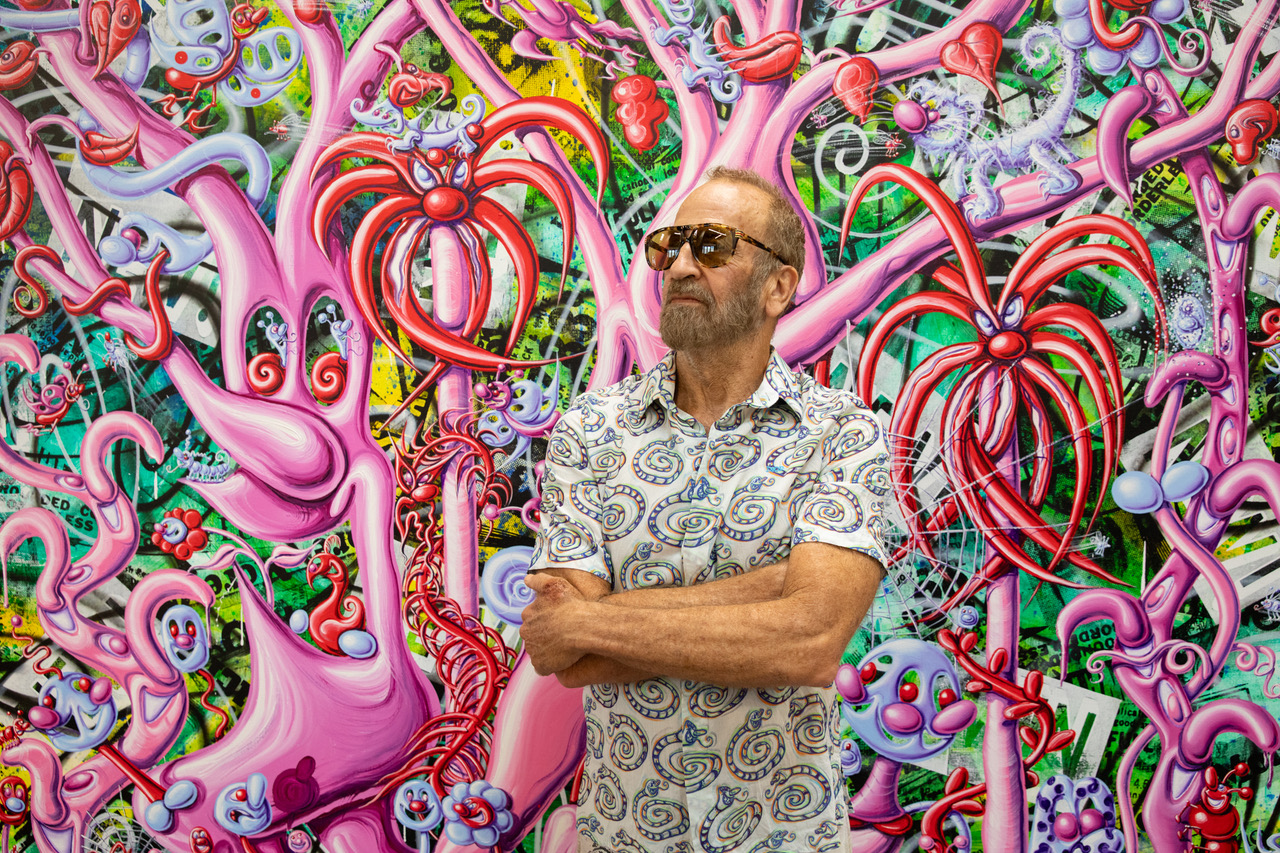
Kenny Scharf (b. 1958, California)
Kenny Scharf is a central figure in the New York art scene of the 1980s and one of the leading artists in contemporary American art. Part of the same downtown New York milieu as Keith Haring and Jean-Michel Basquiat, he developed a distinctive visual language drawing on animation, science fiction, and music, moving fluidly across painting, sculpture, video, installation, and performance. Since the 1980s, he has also engaged with environmental issues, consistently producing works that advocate for ecological awareness. Characterized by Technicolor palettes and biomorphic, often otherworldly forms, his work combines humor with a critical edge and continues to receive international acclaim.
https://kennyscharf.com/
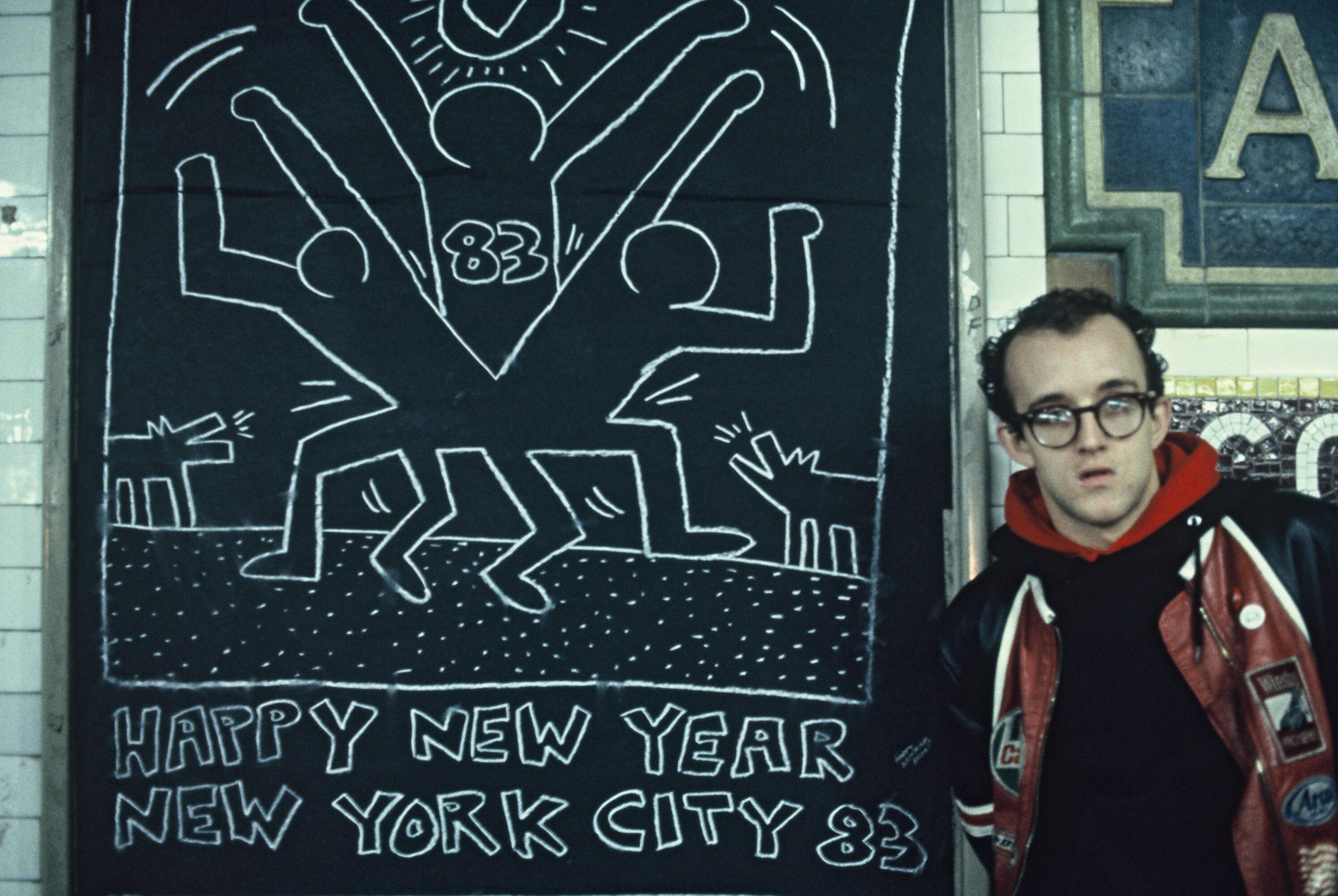
Keith Haring (1958–1990)
Known for his bold and instantly recognizable style, Haring revolutionized the art world by making his work accessible to all. In the early 1980s, Haring began his now-famous Subway Drawings in New York City, transforming unused black paper-covered ad spaces in subway stations. On his first visit in 1983, he held exhibitions and workshops and later opened Pop Shop Tokyo, the second location of his store. In 1988, Haring was diagnosed with “AIDS.” The following year, he established the Keith Haring Foundation to support HIV/AIDS awareness, education, and children’s programs. Despite his diagnosis, Haring remained prolific and committed to his mission until his untimely passing in 1990 at just 31 years old.
FEATURED ARTWORKS
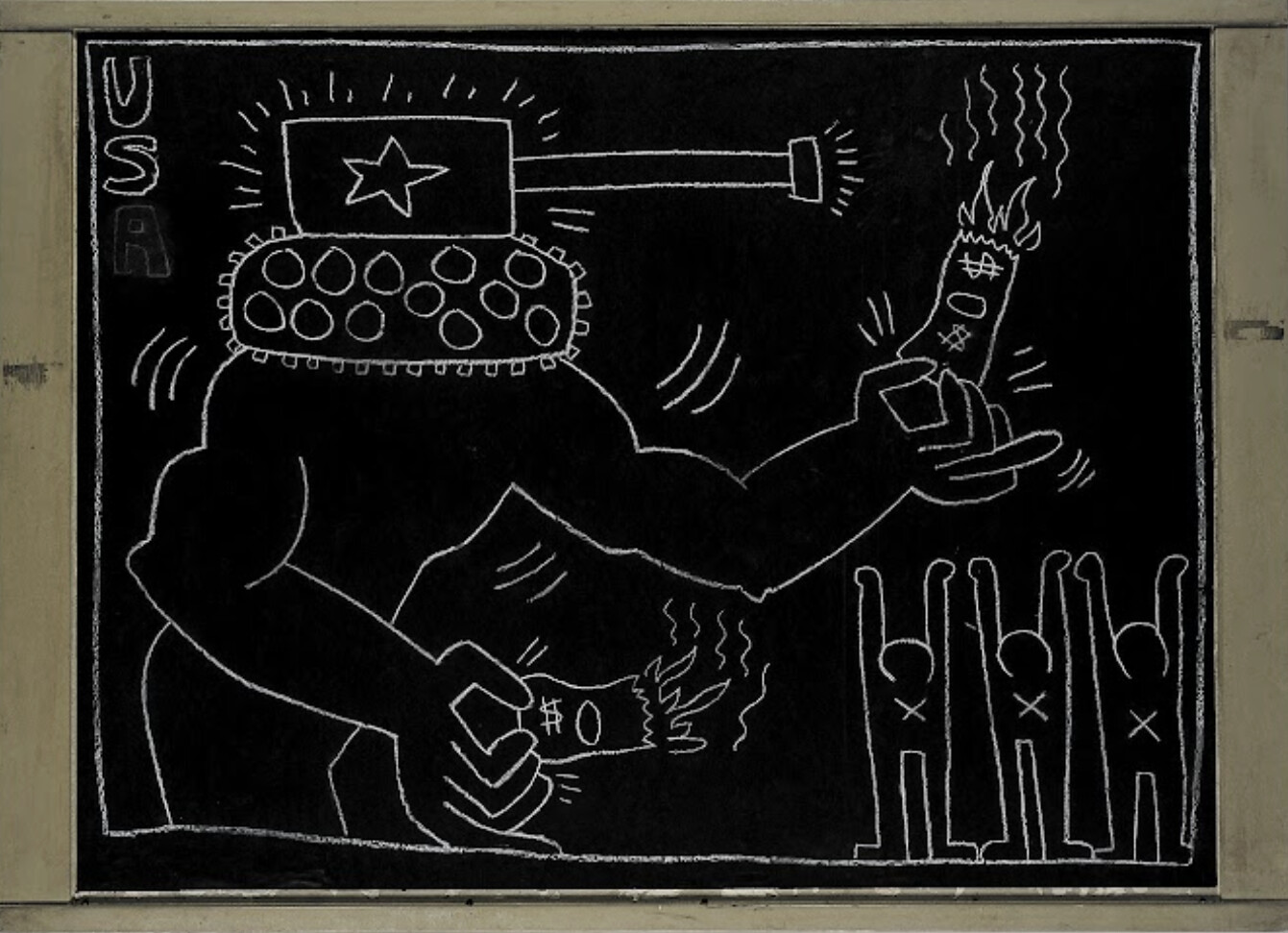
Keith Haring, Untitled (Subway Drawing), 1981-1983, Nakamura Keith Haring Collection
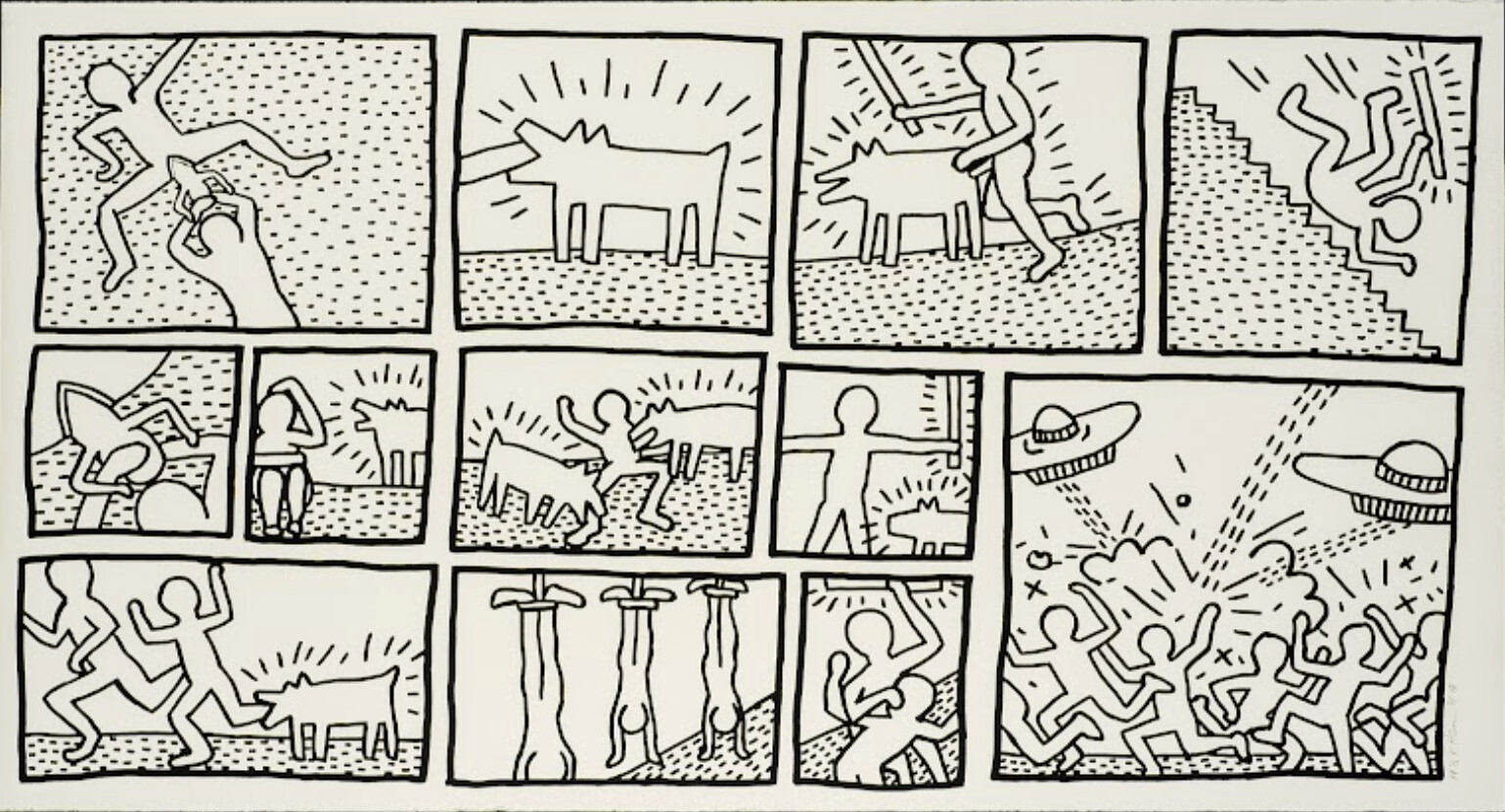
Keith Haring, The Blueprint Drawings, 1990, Nakamura Keith Haring Collection
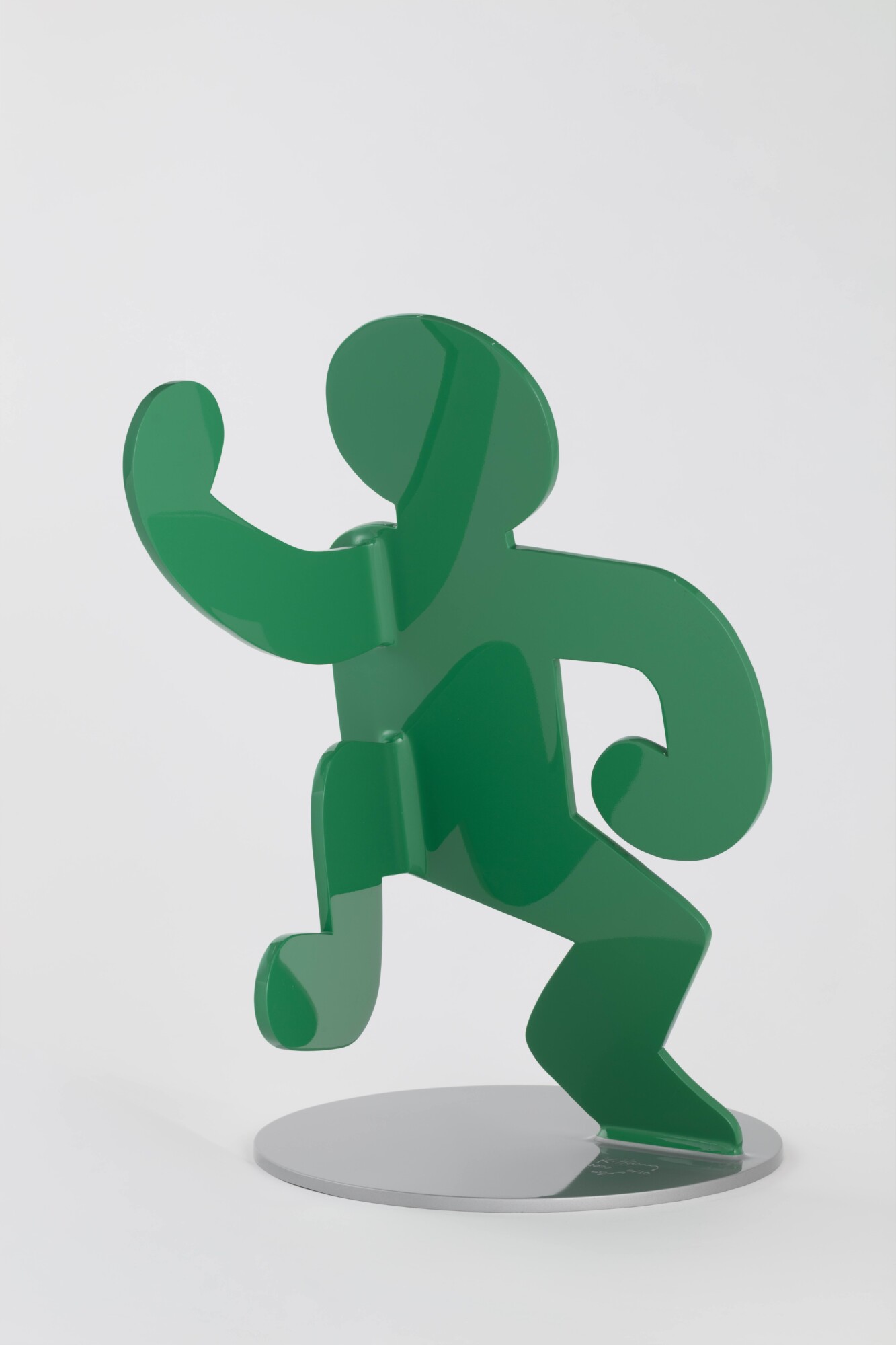
Keith Haring, Self Portrait, 1989, Nakamura Keith Haring Collection
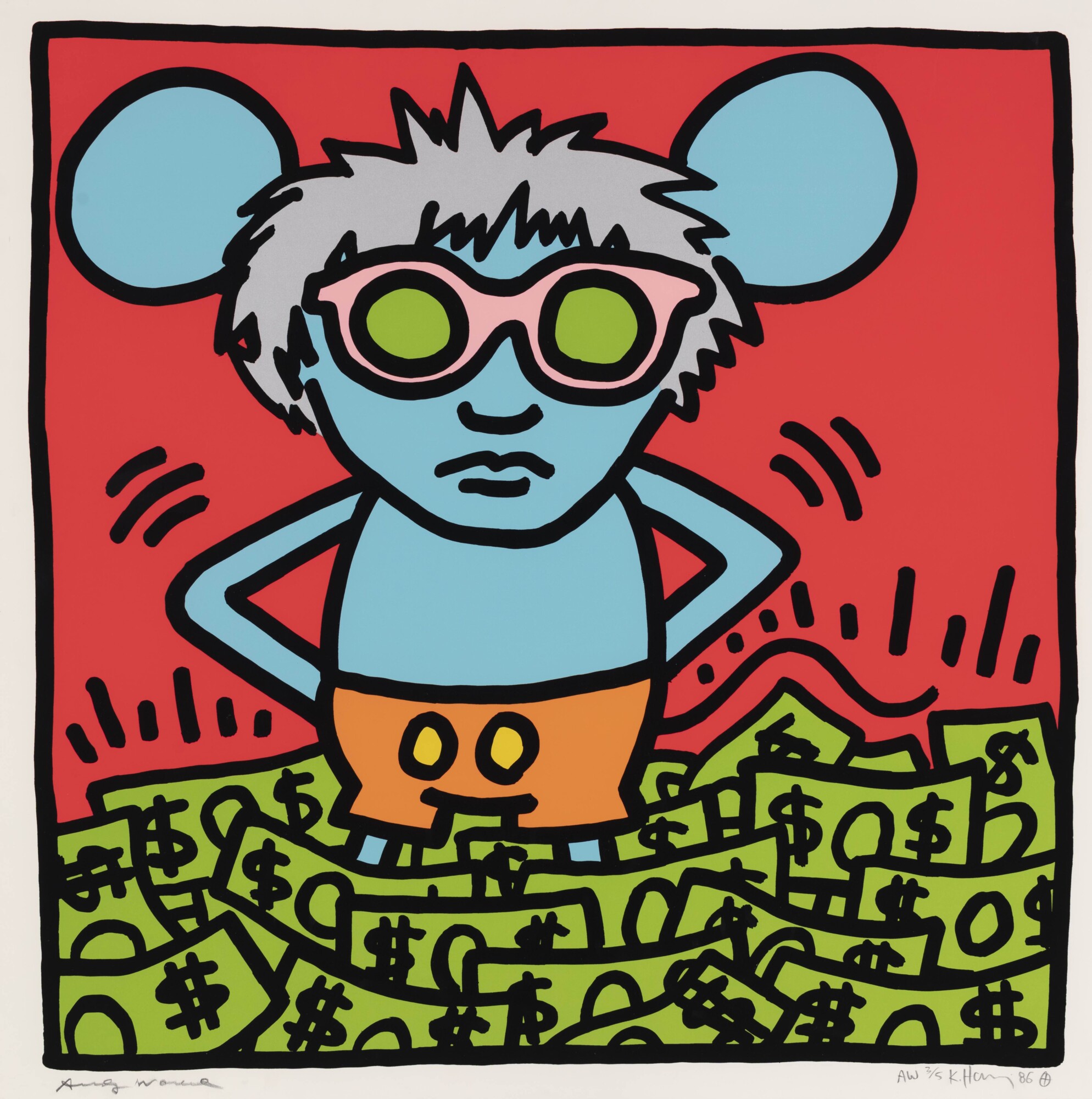
Keith Haring, Andy Mouse, 1986, Nakamura Keith Haring Collection
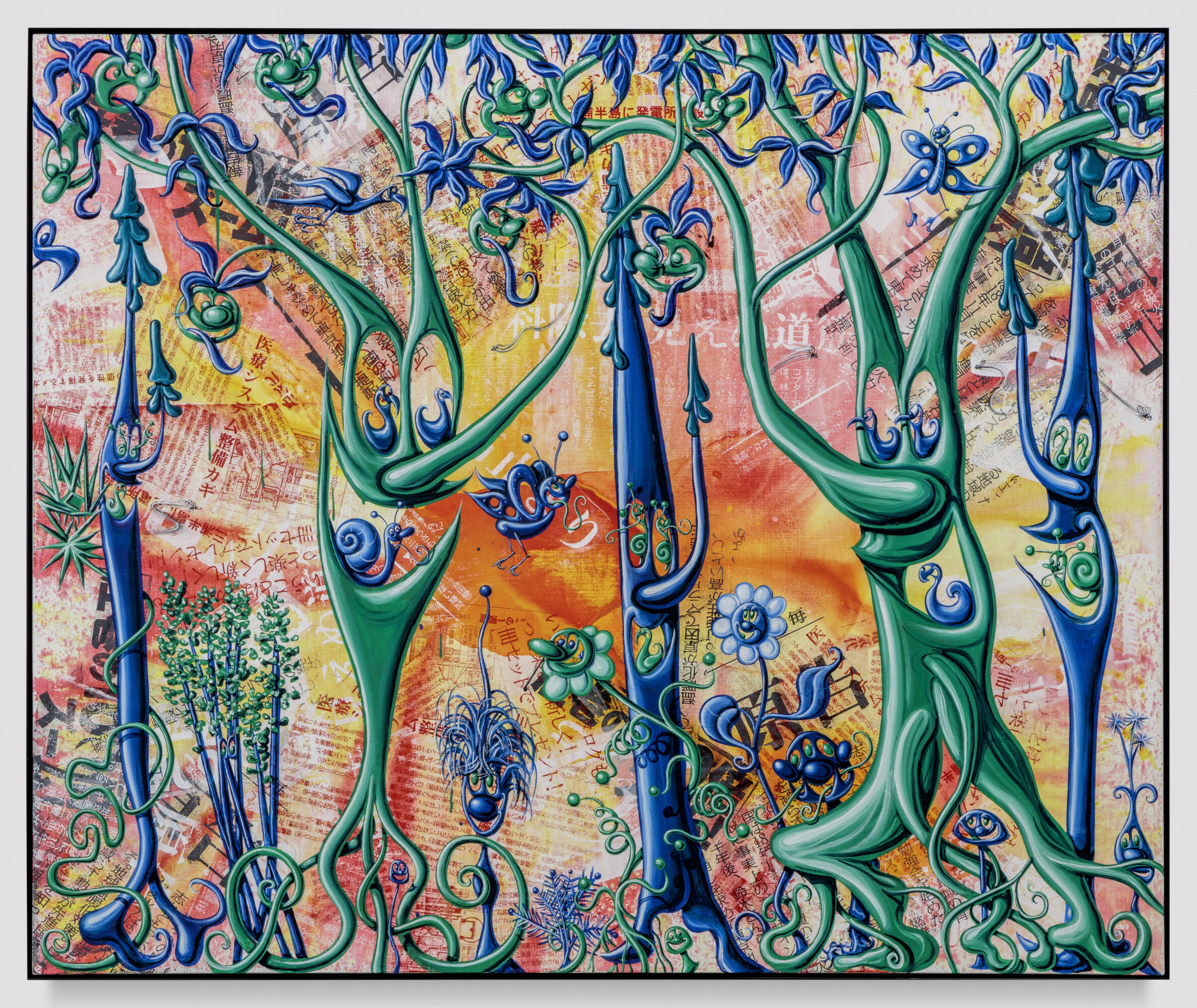
Kenny Scharf, JANGARU!, 2023, Courtesy of Nanzuka
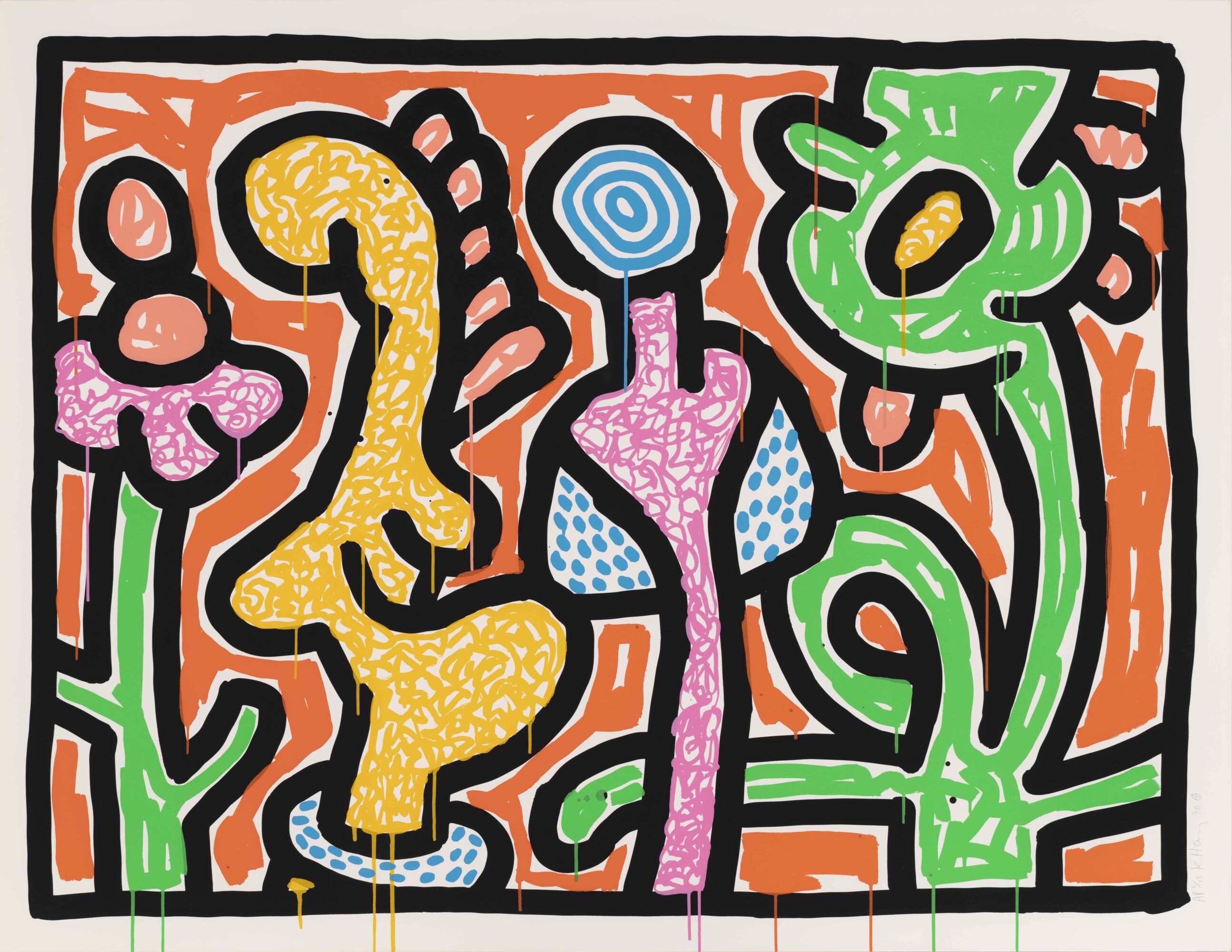
Keith Haring, Flowers Ⅳ, 1990, Nakamura Keith Haring Collection
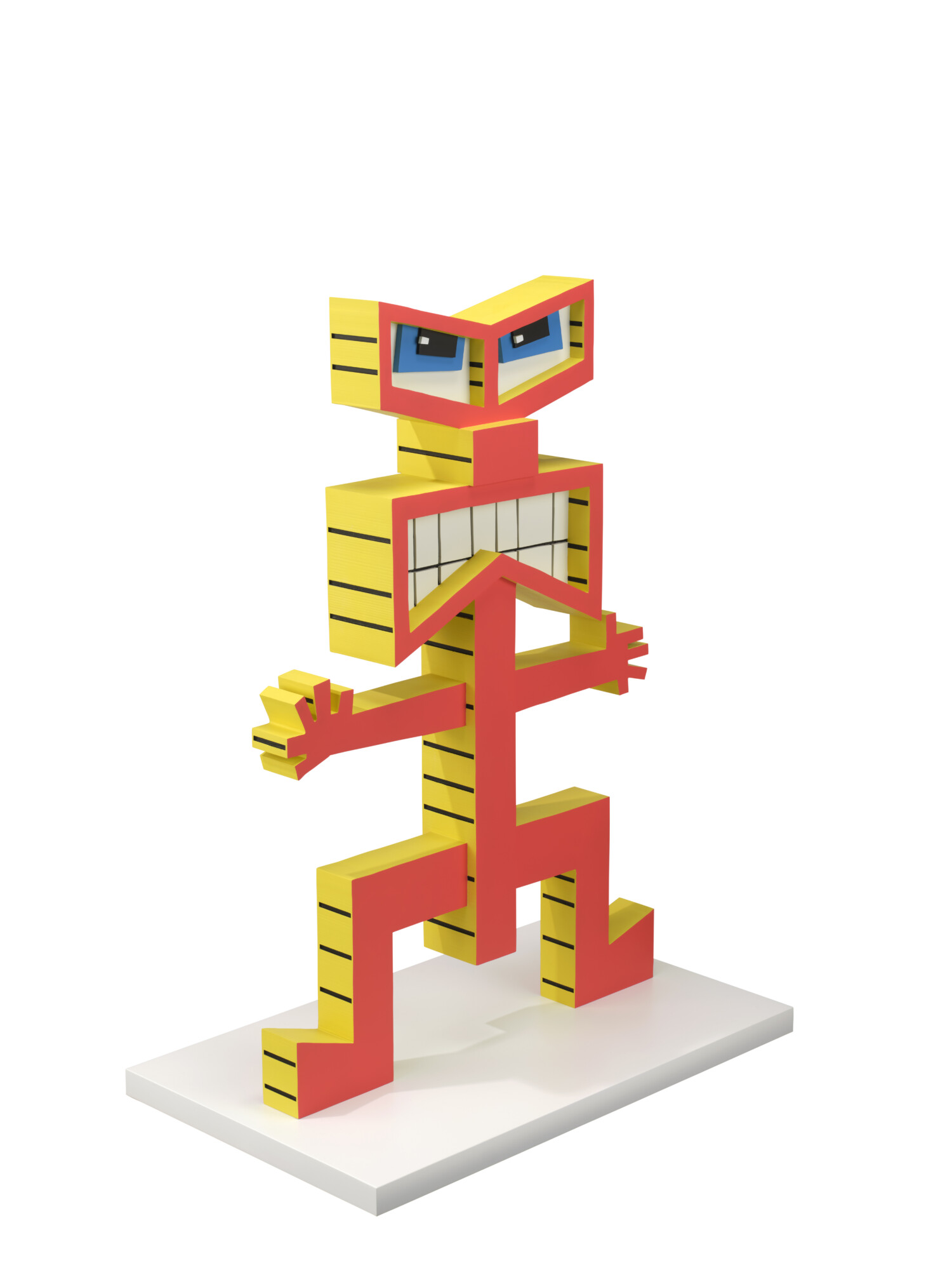
Kenny Scharf, REDDY GUY, 1986/2021, Courtesy of Nanzuka
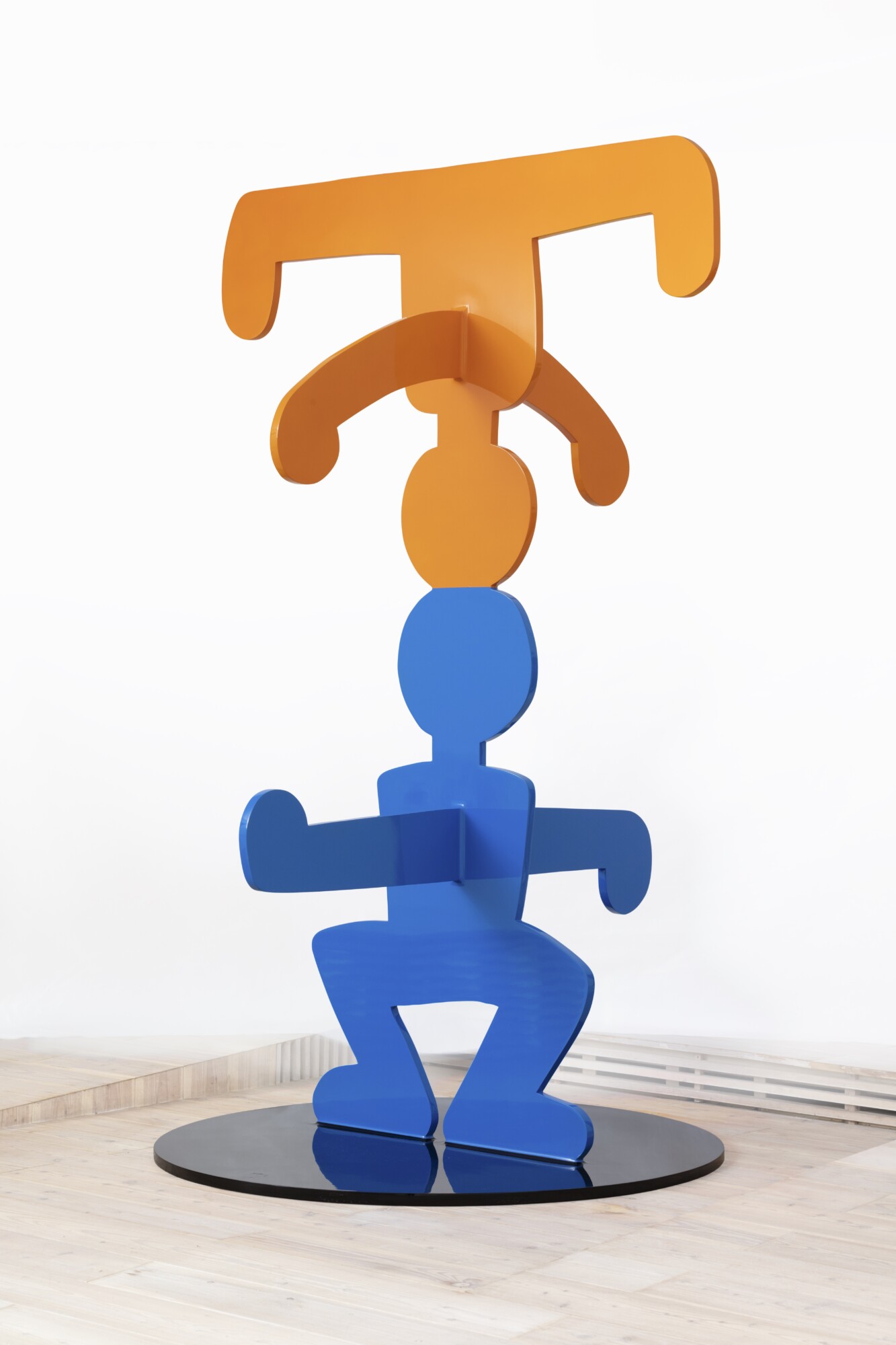
Keith Haring, Acrobats, 1986, Nakamura Keith Haring Collection
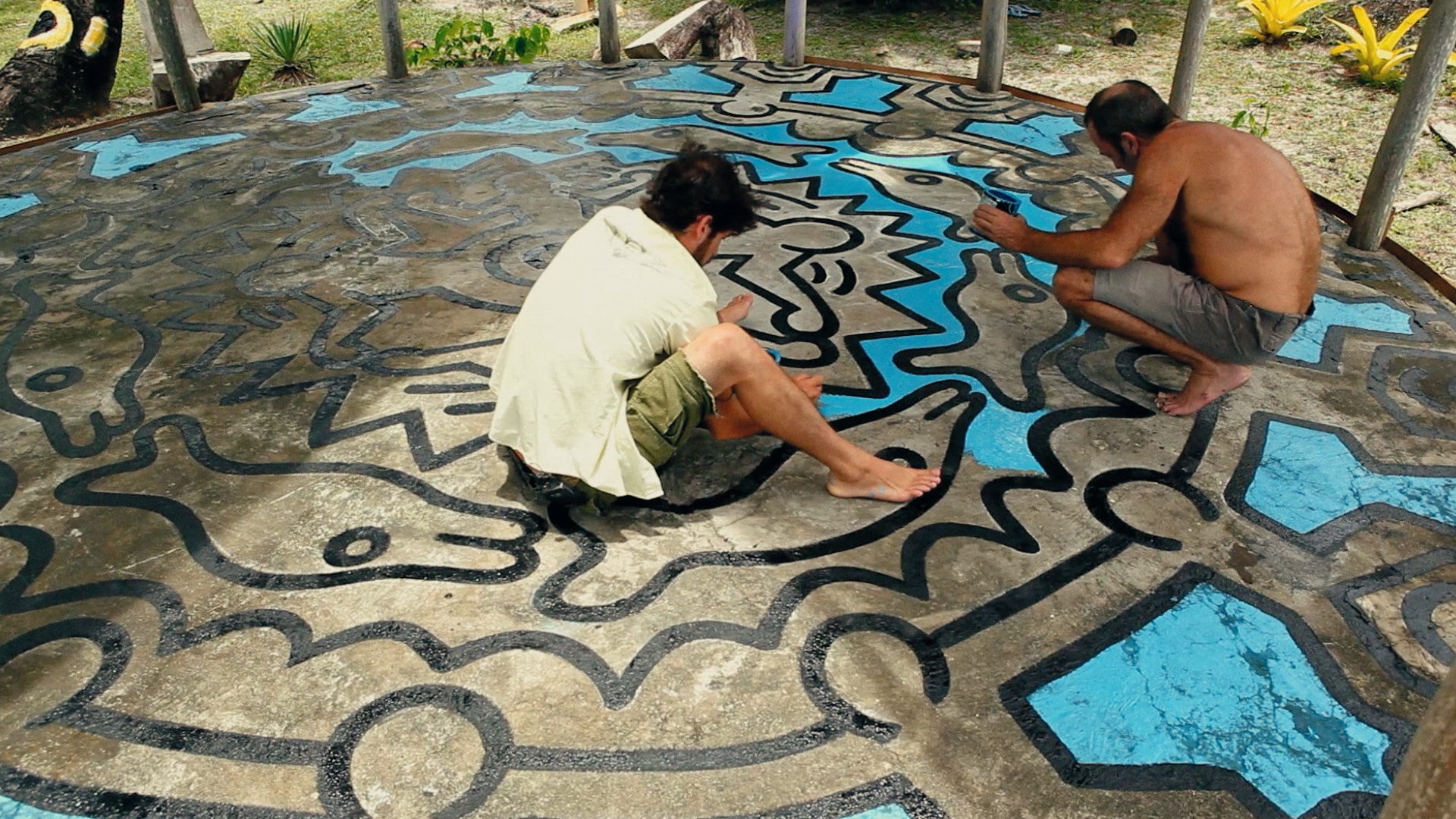
Still from Restless – Keith Haring in Brazil (2013), Courtesy of Guto Barra
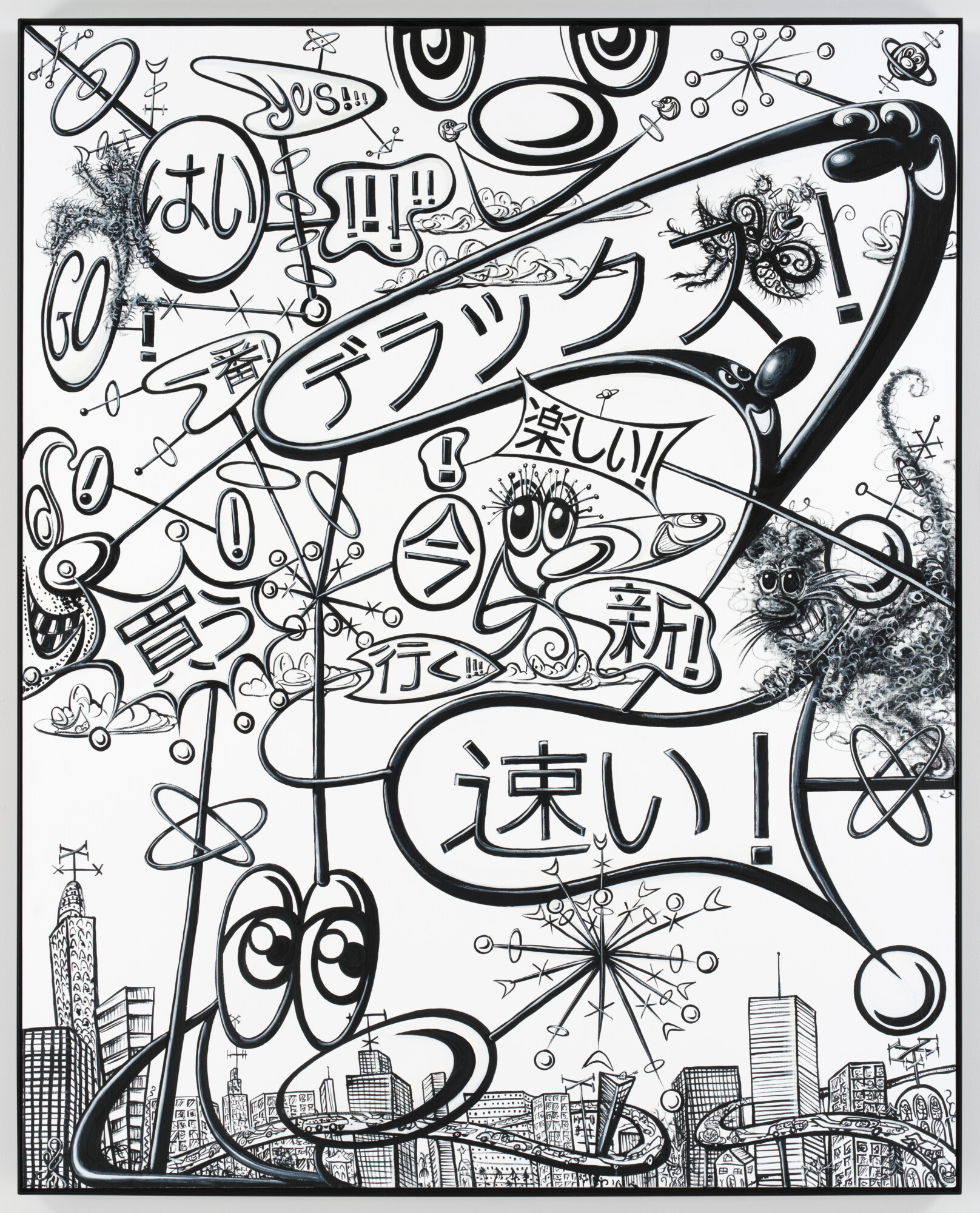
Kenny Scharf, YES!, 2023, Courtesy of Nanzuka
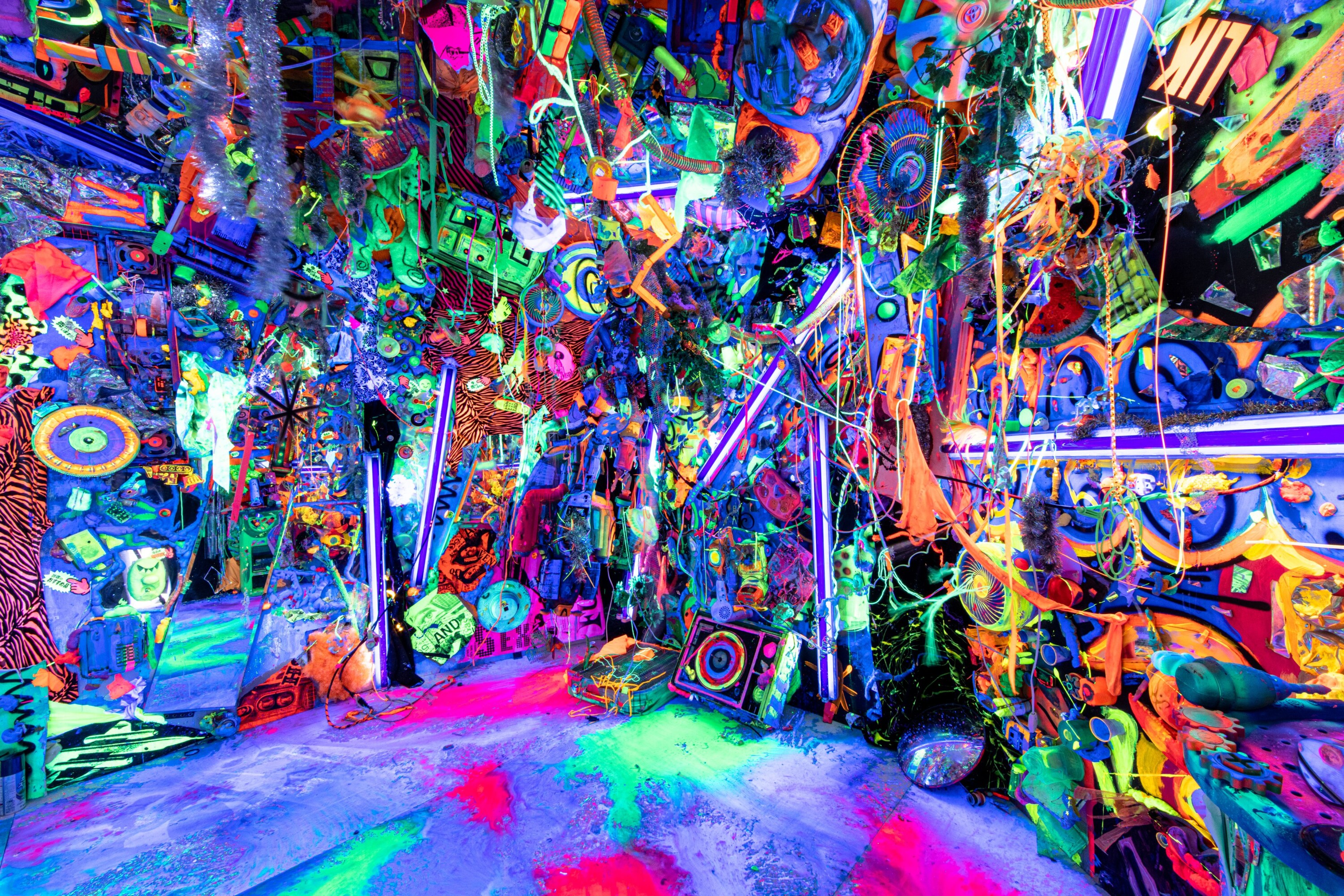
Installation view: Kenny Scharf solo exhibition "I’m Baaack", Nanzuka Underground, Tokyo, 2023, Courtesy of Nanzuka